Table of Contents
How Immersive Learning Uses Narrative Hooks to Improve Student Engagement
Student attention has changed. However, many classrooms have not.Today’s learners grow up with interaction, choice, and feedback. As a result, long lectures feel distant. Even motivated students struggle to stay involved. Because of this shift, educators now search for better student engagement strategies that actually work. This is where immersive learning enters the conversation.
Instead of listening, students participate. Instead of memorising, they decide. Moreover, learning becomes active, emotional, and practical. Research around experiential learning shows that students retain more when they apply ideas in context rather than hear them explained. At the same time, entrepreneurship education faces a unique challenge. Starting a venture involves risk, uncertainty, and strategy. Yet classrooms often reduce it to slides and theory. Consequently, students fail to connect lessons to reality.
Narrative-driven simulations change that dynamic. Through business simulation environments, learners step into realistic roles. They test business strategies, experience consequences, and reflect on outcomes. Because the experience feels real, engagement rises naturally.
In addition, narrative hooks guide attention. A strong story creates purpose. It gives students a reason to care. When learning feels meaningful, participation follows. This article explores how immersive learning uses narrative hooks to boost engagement in entrepreneurship simulations. More importantly, it shows how educators can move from passive teaching to hands-on impact.
What Immersive Learning Really Means in Entrepreneurship Education
Immersive learning goes beyond technology. Instead, it reshapes how students experience education.
From Passive Lessons to Hands-On Learning
Traditional teaching often relies on explanation. However, explanation alone rarely builds skill. In contrast, hands-on learning places students inside the problem.
For example, simulations ask learners to act like founders. They manage resources, respond to change, and make tough calls. Because decisions matter, attention stays high. Mistakes also become valuable, not embarrassing. This approach mirrors real entrepreneurial life. After all, founders learn by doing, not watching.
Why Simulation-Based Experiences Work
Simulations combine structure with freedom. They guide learners while still allowing choice. As a result, students remain focused without feeling restricted.
Tools like business simulation games and simulation software create safe environments to experiment. Students can fail, adjust, and try again. Over time, confidence grows. Moreover, simulation learning supports reflection. Learners see how one decision affects outcomes. This clarity strengthens understanding far more than abstract examples.
The Role of Story in Immersive Learning
Stories give learning direction. Without context, tasks feel empty. With narrative, actions feel purposeful. A strong storyline turns a simulation into a journey. Students are no longer completing tasks. Instead, they are building a startup, managing a simulator, or guiding small businesses through uncertainty.
Because of this, motivation increases. Learners feel ownership. They also develop empathy and long-term thinking. In modern online education platforms, narrative-driven simulations stand out. They offer structure without boredom and freedom without chaos. That balance matters, especially in online education learning environments.
Ultimately, immersive learning succeeds because it feels real. When education reflects reality, engagement follows naturally.

How Narrative Hooks Drive Engagement in Simulations
Stories shape how people learn. Because of that, narrative hooks matter more than most educators expect. A narrative hook gives students a reason to act. It introduces tension, purpose, and direction. Instead of asking, “What do I need to finish?”, students ask, “What should I do next?” That shift changes everything.
In immersive environments, narrative hooks appear early. A challenge is introduced. A goal becomes clear. Stakes feel real. As a result, learners stay focused longer and engage more deeply. This matters because attention predicts learning outcomes. According to McKinsey & Company, experiential and simulation-based programs can improve learner engagement by up to 40% when compared to traditional instruction methods.
Why Decision-Based Stories Work
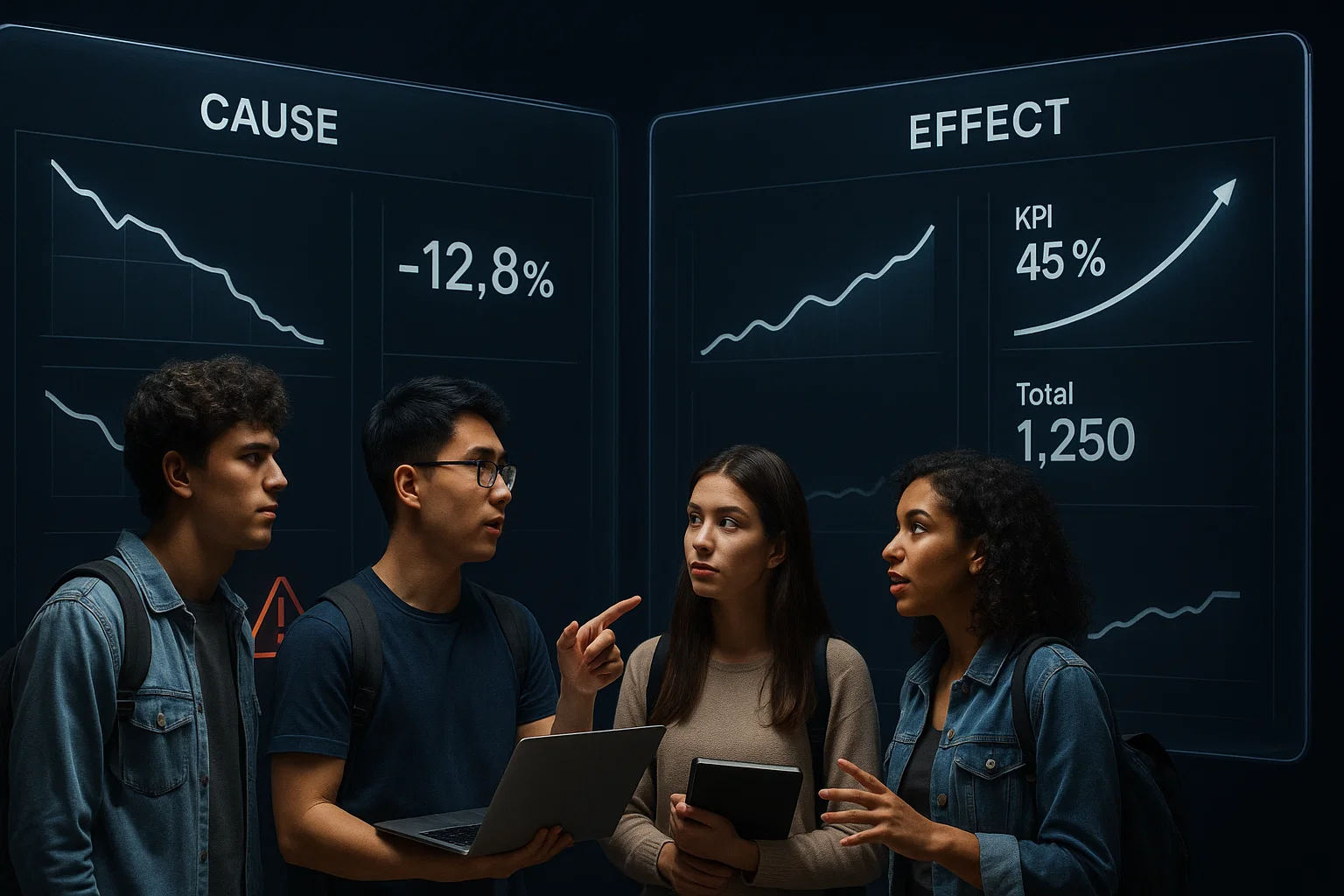
Narrative hooks work best when they require decisions. When students choose a path, they feel ownership. When outcomes change, curiosity grows. Therefore, engagement sustains itself without constant instructor intervention.
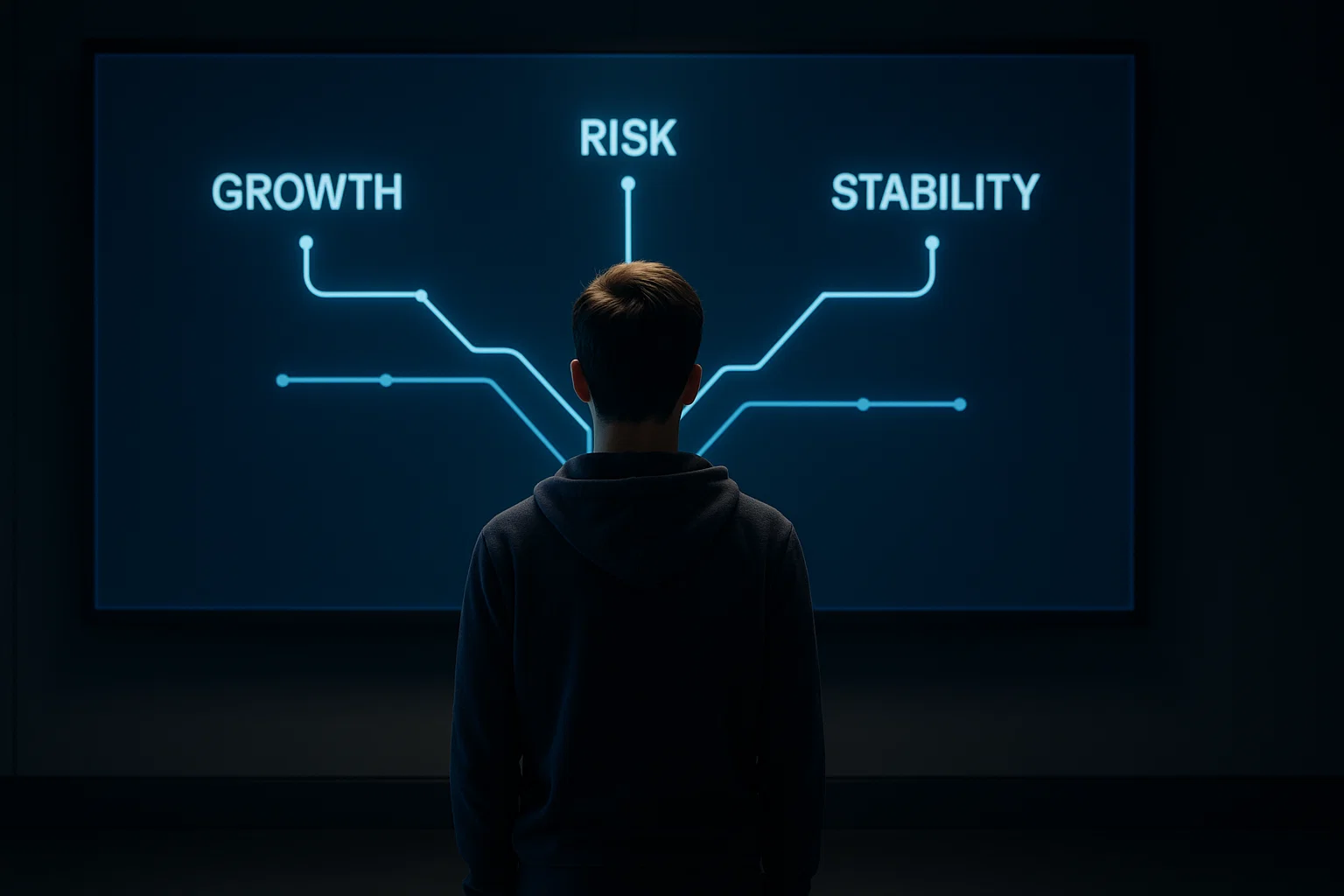
In simulation-based environments, students face trade-offs. They balance growth, risk, and resources. These experiences mirror real entrepreneurial pressure. Because of this realism, motivation increases naturally. Platforms built for learners, such as Startup Wars resources designed for students, rely on this structure. Story and choice work together. Learning becomes personal, not procedural.
Narrative Hooks Improve Retention, Not Just Attention
Engagement alone is not enough. Retention matters too. Research from the National Training Laboratories shows that learners retain about 75% of knowledge when they learn through practice and simulation, compared to 5–10% from lecture-based methods.
This gap explains why story-driven simulations outperform static lessons. Students remember what they experience. They forget what they only hear. Narrative hooks turn lessons into experiences. Experiences turn into skills.
Using Immersive Learning to Solve Real Classroom Challenges
Educators face familiar problems. Participation drops, motivation fades and theory feels disconnected. Immersive learning addresses these issues directly.
First, it replaces passive listening with action. Students interact, decide, and reflect. As a result, engagement techniques stop feeling forced. Second, simulations reduce fear of failure. Students can test ideas without real-world risk. This safety encourages experimentation and deeper thinking.
Third, learning becomes measurable. Educators can observe decision patterns, outcomes, and progress over time. This structure aligns well with entrepreneurship education. Building a venture requires judgment, not memorisation. Simulation-based learning supports that reality.

Solutions like business simulations for colleges provide educators with ready-to-use environments. These tools already embed narrative structure, feedback loops, and reflection points. Therefore, instructors spend less time managing tools and more time guiding learning.
Most importantly, immersive learning prepares students for uncertainty. They learn to adapt, learn to lead and learn by doing. That is the outcome modern education aims to achieve.
Conclusion: Turning Engagement Into Real Learning Outcomes
Engagement is not a bonus anymore, it is a requirement. Students expect learning to feel relevant, active, and meaningful. When education feels disconnected, motivation drops fast. However, immersive learning changes that pattern.
By combining simulation, decision-making, and narrative hooks, educators create environments where students participate by default. They do not wait to be told. Instead, they explore, test, and reflect. That process builds confidence and skill at the same time.
Narrative hooks play a key role here. They give structure to complexity. They guide attention. Most importantly, they turn abstract ideas into lived experiences. When students feel the impact of their choices, learning sticks.
The long-term benefits of experiential learning become clear in these moments. Learners develop problem-solving skills, strategic thinking, and resilience. You can explore these outcomes further here: benefits of experiential learning.
For educators, the shift is powerful. Teaching moves from explaining concepts to guiding experiences. Assessment becomes more meaningful. Engagement becomes consistent. Startup Wars was built for this purpose. Its simulations combine immersive learning, narrative structure, and real-world entrepreneurship challenges. As a result, classrooms become places where students practice the future, not just study it.
If you are ready to move beyond passive instruction, now is the right moment. Schedule a Free Demo and see how immersive, story-driven simulations can transform learning in your classroom.
📅 Schedule a Free Demo and see how Startup Wars can help you lead beyond the classroom today.
Frequently Asked Questions
What is immersive learning in entrepreneurship education?
How do narrative hooks improve student engagement?
Why are simulations effective for teaching entrepreneurship?
What are the benefits of simulation-based learning for students?
How can educators apply immersive learning in the classroom?
People Also Searched For:
-
The Real Reasons Startups Fail - What 2 Startups & 70+ Startup Investments Teach You About Success
-
Most Founders Build Too Fast and That’s Why Startups Fail
-
ChatGPT 5 Release: What Educators and Students Should Know
-
Case Study in Education vs Simulation: Which Is Better for Teaching Entrepreneurship?
-
How to Use Business Simulations in the Classroom