












Table of Contents
Student Engagement Strategies That Work: A Game-Based 101 Guide
Student attention is harder to earn than ever. However, expectations inside classrooms often remain the same. Many business educators still rely on lectures and slides. As a result, participation drops. Focus fades. Even motivated students disengage. Because of this, more instructors now search for student engagement strategies that actually work in real classrooms. The challenge is not effort. It is relevance.
Today’s students learn differently. They expect interaction, want feedback and also want to apply ideas, not just hear them. Therefore, engagement now depends on experience rather than explanation.
This shift explains the growing interest in active learning and hands-on learning approaches. When students take part in decisions, learning feels meaningful. When they see outcomes, motivation increases.
Game-based learning fits naturally into this shift. It introduces structure, goals, and challenge. More importantly, it creates safe spaces to test ideas. Students can fail, adjust, and try again. That process builds confidence and skill at the same time.
For business educators, this matters deeply. Business is not theoretical. It involves judgment, timing, and trade-offs. Yet traditional instruction often removes those elements. This guide explains how game-based learning supports modern student engagement strategies. Even better, it shows how to start in just one class period. No redesign. No long setup. Just a practical entry point that works.
What Student Engagement Really Means in Business Education
Student engagement goes beyond participation. It reflects how deeply learners think, decide, and reflect.
Engagement Is About Action, Not Attention
Many instructors equate engagement with quiet focus. However, attention alone does not guarantee learning. In contrast, engagement appears when students act.
When learners discuss, decide, and experiment, their thinking becomes visible. As a result, instructors can guide more effectively. This approach aligns with modern active learning strategies, which prioritise involvement over delivery.
In business education, this distinction matters. Students must practise judgment. They must evaluate business strategies and understand consequences. Passive formats rarely allow that.
Why Traditional Methods Fall Short
Lectures transfer information quickly. Yet they struggle to build skill. Students often memorise concepts without knowing how to apply them. Because of this gap, outcomes remain shallow.
Research around experiential learning theory shows that learning improves when students apply ideas in context. Experience turns abstract concepts into usable knowledge. That is why engagement rises when classrooms shift from explanation to experience.
How Game-Based Learning Supports Engagement
Game-based learning introduces structure without rigidity. It provides goals, rules, and feedback. At the same time, it allows choice. Through simulation based learning, students operate inside realistic scenarios. They manage resources, respond to change and see results. Because decisions matter, focus increases naturally.
This approach works especially well in business education and higher education teaching environments. Students move from observers to participants. Learning becomes active, not assigned.
Most importantly, game-based formats support better student learning outcomes. Learners remember what they experience. They forget what they only hear. In the next section, we will explore how games and simulations drive engagement without requiring complex redesign or heavy technology.
How Game-Based Learning Works in One Class Period
Game-based learning does not require a full course redesign. In fact, it can work inside a single class period when structured correctly. The key is focus.
Instead of covering many concepts, instructors choose one clear objective. This objective guides the entire session. As a result, students know what they are working toward from the start.
Step 1: Set a Clear Scenario and Goal
Every effective game-based session begins with context. Students need a situation they can understand quickly. For business classes, this often means a simple market challenge or decision scenario.
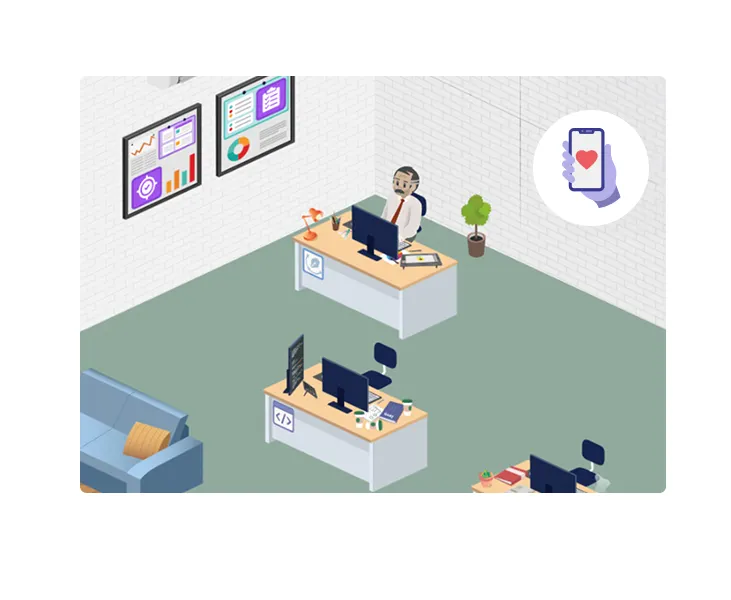
For example, learners might step into the role of founders. They may need to choose pricing, allocate resources, or respond to competition. Because the task feels realistic, attention rises immediately.
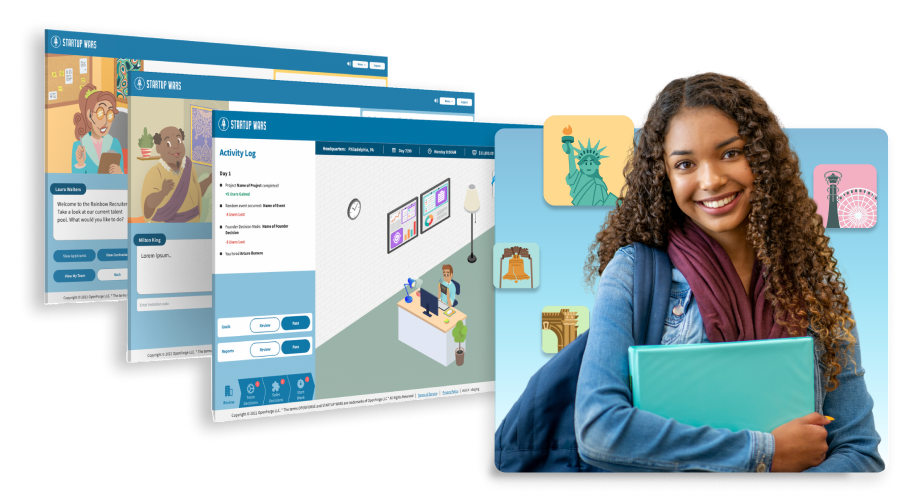
Platforms designed for students help simplify this setup. Instead of explaining rules for twenty minutes, instructors can move straight into action. You can see how this works in practice with Startup Wars experiences built for students.
Step 2: Let Students Decide and Act
Once the scenario starts, the instructor steps back. Students make decisions individually or in small groups. They test ideas. They take risks. This phase is where student engagement strategies come alive. Learners are no longer passive. They must think, choose, and justify their actions.
Research shared by Edutopia shows that active, game-based tasks increase participation and improve focus during class time. According to their analysis, students stay engaged longer when learning includes challenge and choice.
Step 3: Show Consequences Quickly
Feedback must follow action. In a one-period format, this feedback needs to be immediate. Simulation tools make this possible. When students see outcomes right away, learning accelerates. Success feels earned. Mistakes become lessons, not failures.
This approach aligns with findings from McKinsey & Company, which report that experiential and simulation-based learning improves engagement and decision-making skills when feedback is timely.
Step 4: Reflect and Connect
Reflection closes the loop. Instructors guide students to discuss what worked and why. They also explore what failed and how choices influenced results. This discussion links experience back to theory. Concepts from active learning and experiential learning suddenly make sense because students lived them.
Sessions built around practical challenges, such as real business ideas for students, help reinforce this connection. Students leave class with clearer insight and stronger confidence. In one class period, learners move from context to action to reflection. That sequence is what makes game-based learning effective without complexity.
When Game-Based Learning Outperforms Traditional Methods
Traditional teaching still has value. However, it struggles when learning requires judgment and action. Business education often asks students to analyse situations, not recall facts. Yet lectures mostly reward listening. As a result, many learners understand concepts but fail to apply them. This is where game-based learning performs better.
Learning Improves When Students Practice Decisions
Game-based learning places students inside realistic challenges. Instead of observing examples, they create outcomes through choice. Because of this, thinking becomes active.
In contrast, traditional methods often separate theory from use. Students learn frameworks first and application later. Unfortunately, many never reach that second step.
When learning includes decision-making, retention increases. Students remember what they do. They also develop confidence faster. This advantage matters in business classrooms where uncertainty is constant.
Engagement Stays High Without Extra Pressure
Another limitation of traditional instruction is forced participation. Instructors ask questions. Students respond briefly. Then attention drops again. Game-based learning changes this dynamic. Engagement becomes natural. Students stay involved because their actions affect results. No reminders are needed.
This approach also supports stronger classroom energy. Groups collaborate. Discussions feel purposeful. Reflection becomes richer because experiences differ across teams. These outcomes explain the long-term benefits of experiential learning, especially in business-focused courses. You can explore those outcomes in more depth here: benefits of experiential learning.
Why This Matters for Business Educators
Business education prepares students for complexity. Markets shift. Resources remain limited. Decisions carry consequences. Traditional methods explain these realities. Game-based learning lets students experience them. When learners practise strategy in safe environments, they build transferable skills. They learn to adapt. They also learn from failure without real-world risk.
That is why game-based learning often outperforms lectures when the goal is skill development. It does not replace teaching. Instead, it strengthens it. By combining structure, challenge, and reflection, educators create learning that lasts beyond the classroom.
Conclusion: Turning Engagement Into Action
Student engagement does not improve by accident. It improves through design. Business educators face growing pressure to deliver practical outcomes. At the same time, students expect learning to feel relevant and active. Game-based learning answers both needs when applied with purpose.
This guide showed how student engagement strategies work best when students act, decide, and reflect. Even in one class period, game-based formats can shift energy, focus, and participation. More importantly, they help students connect theory with reality.
The real value appears when learning feels safe yet challenging. Students test ideas without risk. They see outcomes clearly. They learn faster because experience leads the process. That is where Startup Wars fits naturally.
Startup Wars provides structured business simulations built for higher education. Educators do not need to design games from scratch. Instead, they guide students through realistic challenges that mirror real-world decision-making. The platform supports active learning, reflection, and measurable outcomes without adding complexity.
If you want to move beyond lectures and static case studies, this is the next step. Schedule a Free Demo to see how Startup Wars helps you apply game-based learning in a single class period and build lasting engagement in your business courses.
📅 Schedule a Free Demo and see how Startup Wars can help you lead beyond the classroom today.