
Table of Contents
Business education in high schools looks very different heading into 2026. Instead of relying only on textbooks and hypothetical case studies, many schools are turning to business simulation software for education to help students learn by doing.
These tools place students in realistic business scenarios where every decision has consequences, making lessons more engaging and practical.
This buyer’s guide is written specifically for high school educators, administrators, and curriculum planners who are exploring business simulation software for classroom use.
Rather than focusing on corporate or college-level platforms, we’ll look at what actually works for grades 9–12 and how schools can choose tools that support learning without overwhelming students or teachers.
What Is Business Simulation Software for Education in a High School Setting?
High school teachers can use business simulation software for education to run virtual companies and teach decision-making skills. Students can make decisions related to pricing, marketing, operations, and strategy, then see how those choices play out over time.
In high schools, these simulations are typically simplified and guided. The goal isn’t to turn students into executives overnight, but to introduce core business thinking, teamwork, and problem-solving in a way that feels interactive rather than theoretical.

Many modern platforms blend elements of business simulation games with structured learning paths. Unlike textbooks, business simulation software for education allows students to experiment safely while learning real-world business concepts. This balance keeps students engaged while still aligning with classroom objectives.
How Business Simulation Software Is Used in High School Classrooms
High schools use business simulations in several flexible ways, depending on class size, subject, and teaching style. Some teachers run simulations as short modules, while others build entire units around them.
Common classroom uses include:
- Team-based simulations where students collaborate and compete
- Individual simulations for assessment or skill-building
- Guided simulations led by the teacher, with class discussions after each round
Because most tools are web-based, simulations can work in traditional classrooms, computer labs, or even hybrid learning environments. This flexibility is one reason business simulations for the classroom are becoming more common across different school systems.
Key Learning Outcomes for High School Students
The right business simulation software for education helps students develop critical thinking, teamwork, and entrepreneurial skills. High schools often adopt these tools to complement existing curricula rather than replace them.
Key learning outcomes typically include:
- Decision-making and critical thinking
- Basic understanding of how businesses operate
- Exposure to entrepreneurship concepts
- Collaboration and communication skills
Unlike passive learning methods, business simulation for students encourages experimentation. Students can make mistakes safely, learn from outcomes, and adjust their strategies without real-world risk.
What High Schools Should Look for in Business Simulation Software (2026 Checklist)
Not all business simulation platforms are designed with high schools in mind. As you evaluate options, focus on tools that balance engagement with instructional control.
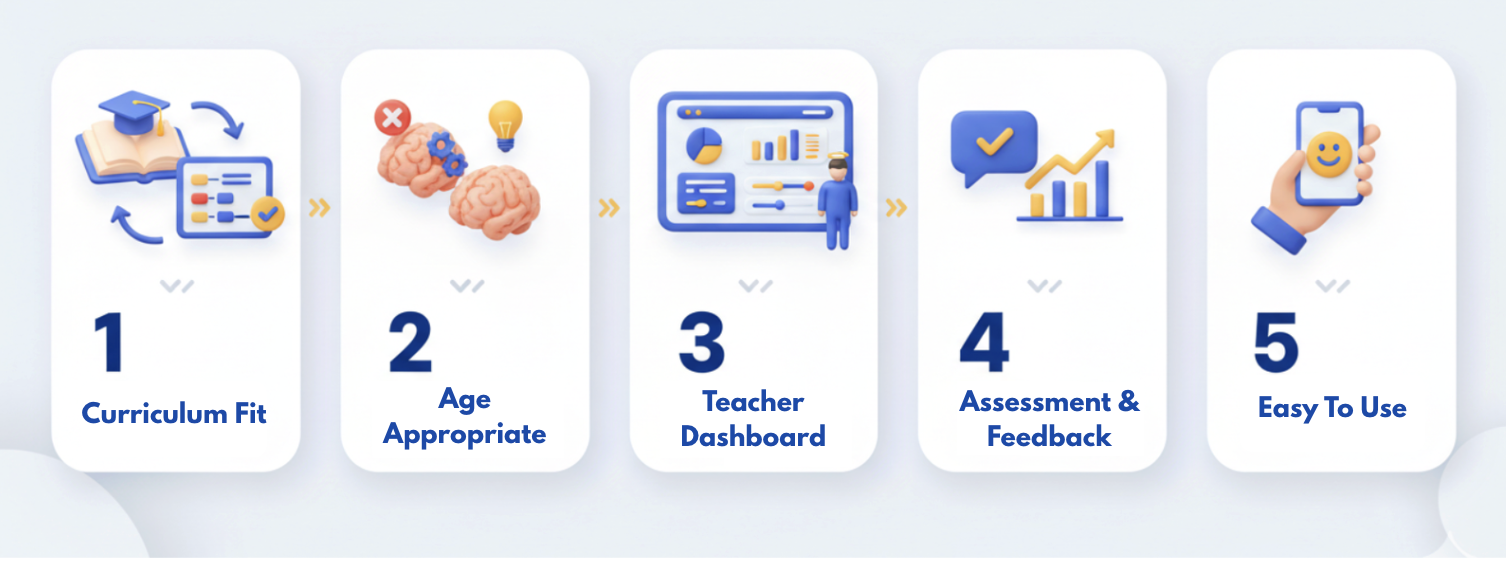
Curriculum Alignment
The software should support high school business, economics, or entrepreneurship standards. Look for simulations that fit naturally into existing lesson plans.
Age-Appropriate Complexity
Overly complex tools designed for MBA programs can frustrate students. The best business education simulation software simplifies concepts without dumbing them down.
Teacher Controls and Dashboards
Teachers should be able to monitor progress, reset simulations, and guide pacing. Clear dashboards save time and reduce classroom friction.
Assessment and Feedback
Built-in reporting helps teachers understand how students are performing and where they need support.
Ease of Use
If students need extensive training just to get started, engagement drops quickly. Intuitive design matters.
Business Simulation Games vs. Structured Programs: What Works Best?
High schools often choose between open-ended business simulation games and more structured simulation programs.
Games tend to emphasize competition and engagement, which can be great for motivation. Structured programs, on the other hand, often provide clearer learning objectives and teacher guidance.
For many schools, a hybrid approach works best, with interactive simulations that feel game-like but still offer instructional support. Platforms like Startup Wars, for example, are designed around guided simulations that encourage entrepreneurship while remaining classroom-friendly.
Technology and Integration Considerations for Schools
Before committing to any business simulation platform, schools should review technical requirements carefully.

Important considerations include:
- Browser-based access vs. downloadable software
- Compatibility with common school devices
- Integration with learning management systems
Web-based platforms are often easier for schools to manage. Many educators prefer solutions that work seamlessly alongside tools they already use, reducing setup time and technical issues.
Pricing and Licensing: What High Schools Should Expect
Pricing models vary widely across business simulation software providers. Some charge per student, while others offer class-based or school-wide licenses.
For high schools, flexibility matters. Look for platforms that allow pilots or short-term access so teachers can evaluate fit before making long-term commitments. Transparent pricing and clear usage terms help schools plan without surprises.
Common Mistakes High Schools Make When Choosing Simulation Software
Schools sometimes rush into adopting tools that look impressive but aren’t designed for secondary education.
Common pitfalls include:
- Choosing platforms built for higher education or corporate training
- Overlooking teacher onboarding and support
- Ignoring classroom time constraints
Avoiding these mistakes early can save time and ensure the software actually enhances learning.
How to Evaluate and Compare Business Simulation Software for Your School
A thoughtful evaluation process makes all the difference. Consider running a pilot with a small group of students or a single class.

Ask vendors questions such as:
- How does this simulation support high school learners?
- What training is available for teachers?
- How flexible is the platform for different class lengths?
Comparing tools based on real classroom use. not just feature lists, leads to better long-term results.
Who Benefits Most from Business Simulation Software in High Schools?
Business simulation software for education isn’t limited to business studies classes. It can support:
- Entrepreneurship programs
- Economics and social studies courses
- Career readiness initiatives
- After-school clubs and competitions
Platforms like Startup Wars are often used across multiple programs because they emphasize practical decision-making and student engagement without assuming prior business knowledge.
Final Thoughts: Choosing the Right Business Simulation Software for High Schools in 2026
As high schools prepare students for an increasingly complex world, business simulation software for education offers a practical way to bridge theory and real-world application.
Startup Wars provides age-appropriate, curriculum-aligned experiences that help students develop critical business skills in the classroom.
Explore demos or educator trials to help ensure the software you select truly fits your students’ and teachers’ needs for 2026 and beyond.
📅 Schedule a Free Demo and see how Startup Wars can help you lead beyond the classroom today.
Frequently Asked Questions
Is business simulation software suitable for beginners?
How much class time do business simulations usually require?
Do teachers need special training to run business simulations?
Can business simulation software align with existing high school curricula?
Are business simulation games appropriate for assessment?
People Also Searched For:
-
The Real Reasons Startups Fail - What 2 Startups & 70+ Startup Investments Teach You About Success
-
Most Founders Build Too Fast and That’s Why Startups Fail
-
ChatGPT 5 Release: What Educators and Students Should Know
-
Case Study in Education vs Simulation: Which Is Better for Teaching Entrepreneurship?
-
How to Use Business Simulations in the Classroom