












business model canvas overview layout

If you have ever tried to turn an idea into a real business, you have likely felt overwhelmed by traditional business plans. Long documents, complex forecasts, and vague assumptions often make it harder to act, not easier. This is exactly why the business model canvas has become one of the most popular tools for entrepreneurs, students, and first-time founders.

The business model canvas simplifies how a business works into a single visual framework. Instead of writing dozens of pages, you map out the key elements that explain how your business creates value, delivers it, and earns money. For beginners, this makes business planning more practical and far less intimidating.

Whether you are building a startup, working on a class project, or exploring entrepreneurship for the first time, learning how the business model canvas works gives you clarity fast. It helps you see gaps, test assumptions, and communicate ideas clearly without getting stuck in theory.

In this guide, we explain the business model canvas step by step, using plain language and real examples. You will learn what each block means, how the pieces connect, and how to use a business model canvas template to shape your own idea with confidence.

Table of Contents

What Is the Business Model Canvas and Why It Works

A Simple Definition for Beginners

At its core, the business model canvas is a one-page visual framework that shows how a business operates. It breaks a business down into nine connected building blocks that cover customers, value, operations, and finances.

Instead of asking you to predict everything upfront, the canvas helps you organize what you know and highlight what you still need to test. This makes it especially useful for beginners who are still learning how businesses actually function.

The business model canvas explained in simple terms answers three key questions:

  • Who is the customer?

  • What value does the business offer?

  • How does the business make money?

By answering these questions visually, the canvas turns abstract ideas into something concrete and actionable.

Why the Canvas Is Better Than a Traditional Business Plan

Traditional business plans are static. Once written, they are rarely updated. The business model canvas, on the other hand, is designed to evolve. You can adjust blocks as you learn more about customers, costs, or revenue streams.

This flexibility is why the canvas is widely used in entrepreneurship education and startup environments. It encourages experimentation instead of perfection. Beginners can test ideas quickly without committing to long documents that may become outdated.

For example, when working through business model canvas examples, you will notice how small changes in customer segments often affect revenue streams, cost structure, and key activities. Seeing these connections on one page helps beginners understand how decisions impact the entire business.

How the Nine Blocks Work Together

Each block of the business model canvas represents a core part of the business. While we will explain each one in detail later, it is important to understand that no block works in isolation.

Customer relationships influence revenue streams. Key activities affect cost structure. Value propositions shape how customers are acquired and retained. This interconnected design is what makes the canvas powerful.

For beginners, using an example of a business canvas model is often the fastest way to learn. Seeing how a real or hypothetical business fills in each block helps translate theory into practice and builds confidence before applying the framework to your own idea.

business model canvas blocks connection

Understanding the Customer-Focused Blocks

Customer Segments and Value Propositions

To truly understand the business model canvas, beginners must start with the customer side of the framework. Every business exists to serve a specific group of people, known as customer segments. These are not vague audiences. They are clearly defined groups with shared needs, behaviors, or problems.

The value proposition sits at the center of the canvas because it explains why customers choose one business over another. It answers a simple but powerful question: what problem are you solving, or what value are you creating? When the business model canvas explained properly, this block connects customer needs directly to what the business offers.

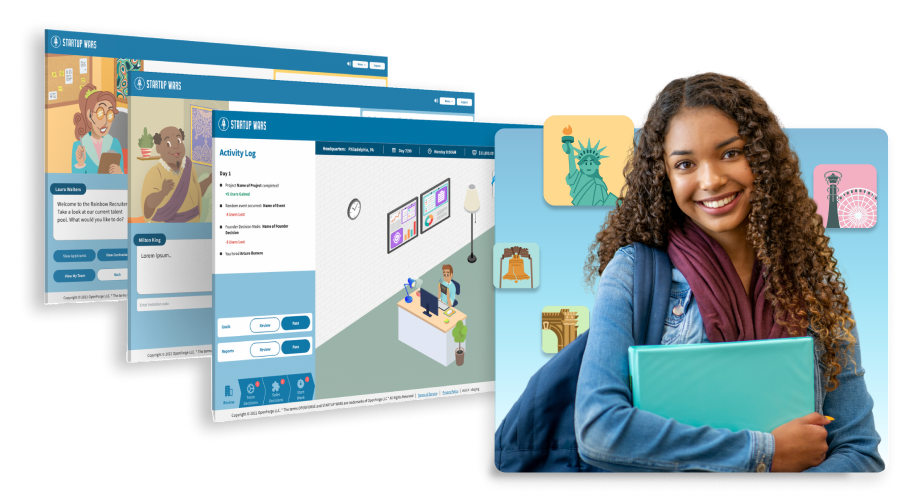
For beginners, this is often the hardest part. Many ideas fail not because the product is bad, but because the value proposition is unclear. This is where practical learning makes a difference. By testing ideas in environments that simulate real customer behavior, beginners can see how changes in value propositions affect demand and revenue. Tools such as virtual business simulation platforms help learners experiment with customer choices and outcomes before committing to a real market.

mapping customer segments value proposition

Customer Relationships and Channels

Once customer segments and value propositions are defined, the next step is understanding how relationships are built and maintained. The customer relationships business model canvas block focuses on how a business interacts with its customers. This may include self-service, personalized support, automated systems, or community-driven engagement.

Channels describe how a business reaches customers and delivers its value. These can be online platforms, physical stores, partnerships, or direct sales. For beginners, mapping channels visually helps clarify how marketing, sales, and delivery actually work together.

Working through business model canvas examples makes it easier to see how different relationship types and channels affect costs and revenue. Small adjustments in this area often lead to big changes in overall performance.

Operations, Costs, and How the Business Makes Money

Key Activities, Resources, and Partners

The operational side of the business model canvas explains how the business functions behind the scenes. Key activities describe what the business must do well to deliver its value proposition. Key resources are the assets required to perform those activities, while key partners are external organizations or individuals that support the business.

For beginners building a startup business model, this section brings realism into the planning process. It forces you to consider what is actually required to operate day to day, not just what sounds good in theory.

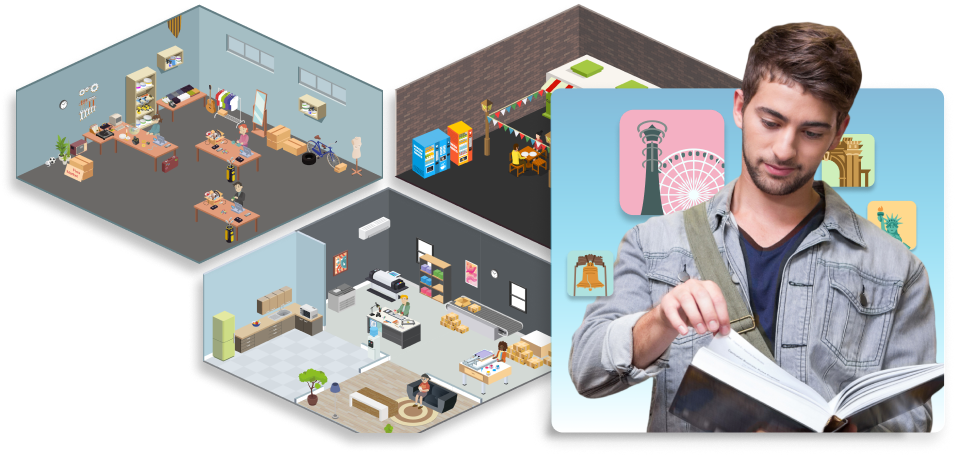
Learning these relationships becomes much clearer when beginners can see how operations interact with strategy in real time. Educational tools that explain what is a business simulation help learners understand how key activities, resources, and partners influence outcomes such as profitability and scalability.

business simulation canvas learning process

Cost Structure and Revenue Streams

Every business must manage costs and generate revenue. The cost structure business model canvas block outlines the major expenses involved in running the business, while revenue streams explain how money comes in.

For beginners, this is where the canvas proves its practical value. Seeing costs and revenues side by side helps identify whether a business model is viable. It also highlights assumptions that need testing, such as pricing, demand, or operational efficiency.

Using a business model canvas template allows beginners to adjust these blocks easily as they learn more. Instead of rewriting plans, they update assumptions. This iterative approach reduces risk and builds stronger business thinking.

applying business model canvas confidently

Conclusion: Turning the Business Model Canvas Into a Practical Skill

The real value of the business model canvas is not just understanding the framework, but using it to think clearly about how a business actually works. For beginners, this tool removes the guesswork from early planning and replaces it with structure, logic, and visibility.

When you map out customer segments, value propositions, operations, and costs on a single page, patterns become obvious. Weak assumptions stand out. Strong ideas gain clarity. This is why the canvas is widely used in classrooms, accelerators, and early-stage startups. It encourages learning through iteration rather than perfection.

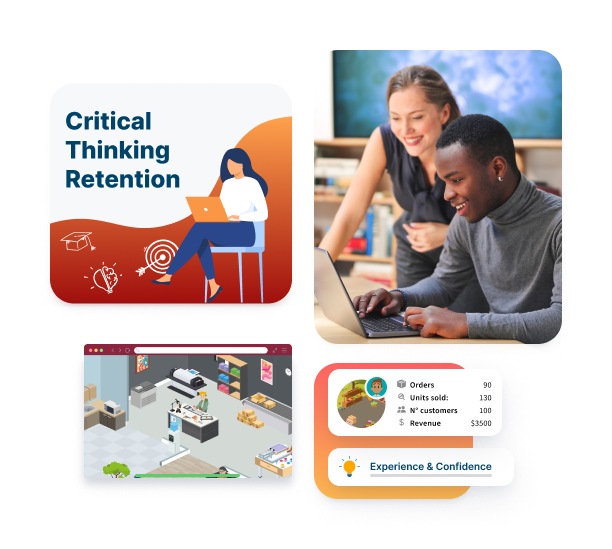
For students and first-time founders, pairing the canvas with practical learning environments makes the framework even more effective. Using tools such as business simulation software for education allows learners to test their canvas decisions in realistic scenarios and see how changes affect outcomes like revenue, costs, and growth. This bridges the gap between theory and real-world decision-making.

Well-established entrepreneurship resources also reinforce this approach. According to Strategyzer, the creators of the Business Model Canvas, visual modeling helps teams align faster, test assumptions earlier, and communicate business logic more clearly across stakeholders.

Ultimately, mastering the business model canvas is less about filling in boxes and more about learning how businesses adapt, survive, and grow. Once you understand how the blocks connect, you gain a skill that applies to startups, small businesses, and even large organizations.

Frequently Asked Questions

1. What is the business model canvas in simple terms?

The business model canvas is a one-page visual tool that shows how a business creates value, serves customers, and makes money using nine connected blocks.

2. How do beginners use the business model canvas?

Beginners use the business model canvas to organize ideas, test assumptions, and understand how different parts of a business affect each other without writing long plans.

3. What are the nine blocks of the business model canvas?

The nine blocks include customer segments, value propositions, channels, customer relationships, revenue streams, key activities, key resources, key partners, and cost structure.

4. Is a business model canvas better than a business plan?

For early-stage ideas, yes. The business model canvas is more flexible, easier to update, and better suited for testing and learning than a traditional business plan.

5. Can students use the business model canvas for class projects?

Yes. The business model canvas is widely used in education because it helps students understand business logic visually and apply concepts to real or simulated scenarios.

6. Do I need a template to use the business model canvas?

A template is helpful, especially for beginners. It provides structure and makes it easier to focus on thinking rather than formatting.

Business Model Canvas Explained: Simple Guide for Beginners

Subscribe to the Startup Wars newsletter to receive free resources for starting your company, delivered right to your inbox.

Charlotte Kane
Charlotte Kane Undergraduate Student, The Ohio State University

Startup Wars allowed me to understand everything that goes into starting a business in 90 days.

Darshita Bajoria
Darshita Bajoria Undergraduate Student, The Ohio State University

Startup Wars is an interactive way to learn and hone entrepreneurial skills while being a no-risk outlet. Great tool for those pursuing entrepreneurship.